Project Spotlights
FROM BOLD IDEAS TO WORKING SOLUTIONS.
Explore the real-world impacts of recycling, recovery, or reuse initiatives developed through one of NextCycle Michigan's programs. Project summaries, photos, and outcomes show how ideas moved from concept to implementation.

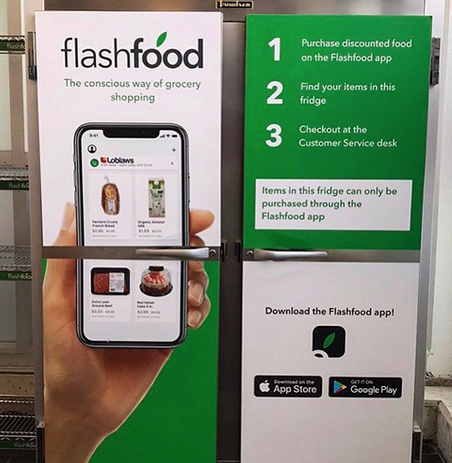
Two NextCycle Michigan teams are recovering edible surplus food before it expires, and the other focuses on preventing leftovers from becoming trash.
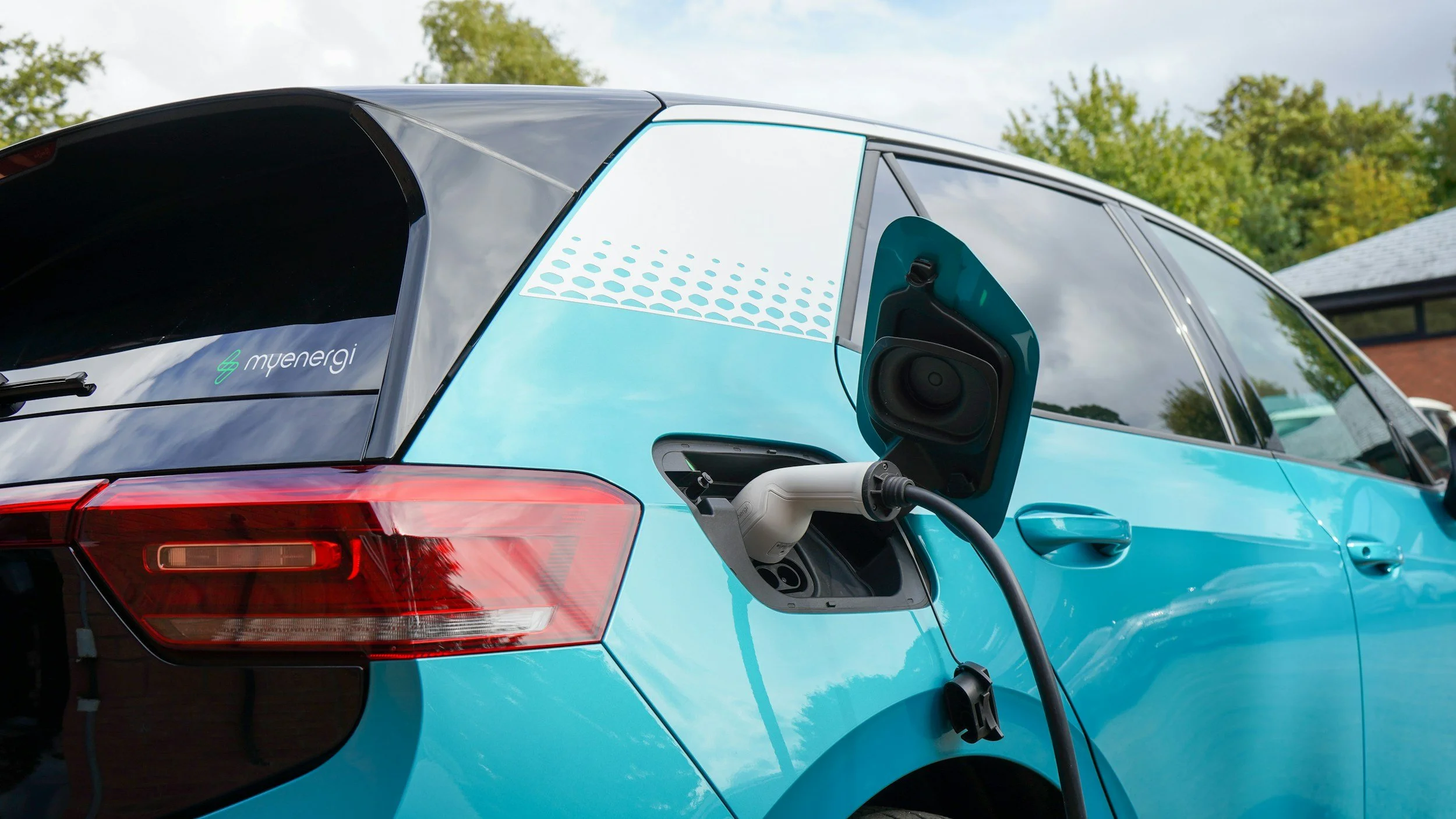
Electric vehicle (EV) batteries are lasting longer than manufacturers initially predicted, and the question of what happens next is becoming increasingly urgent. Across Michigan, organizations are building the systems, partnerships, and technology needed to safely test, reuse, and recycle retired EV batteries—extending battery life and recovering valuable materials.
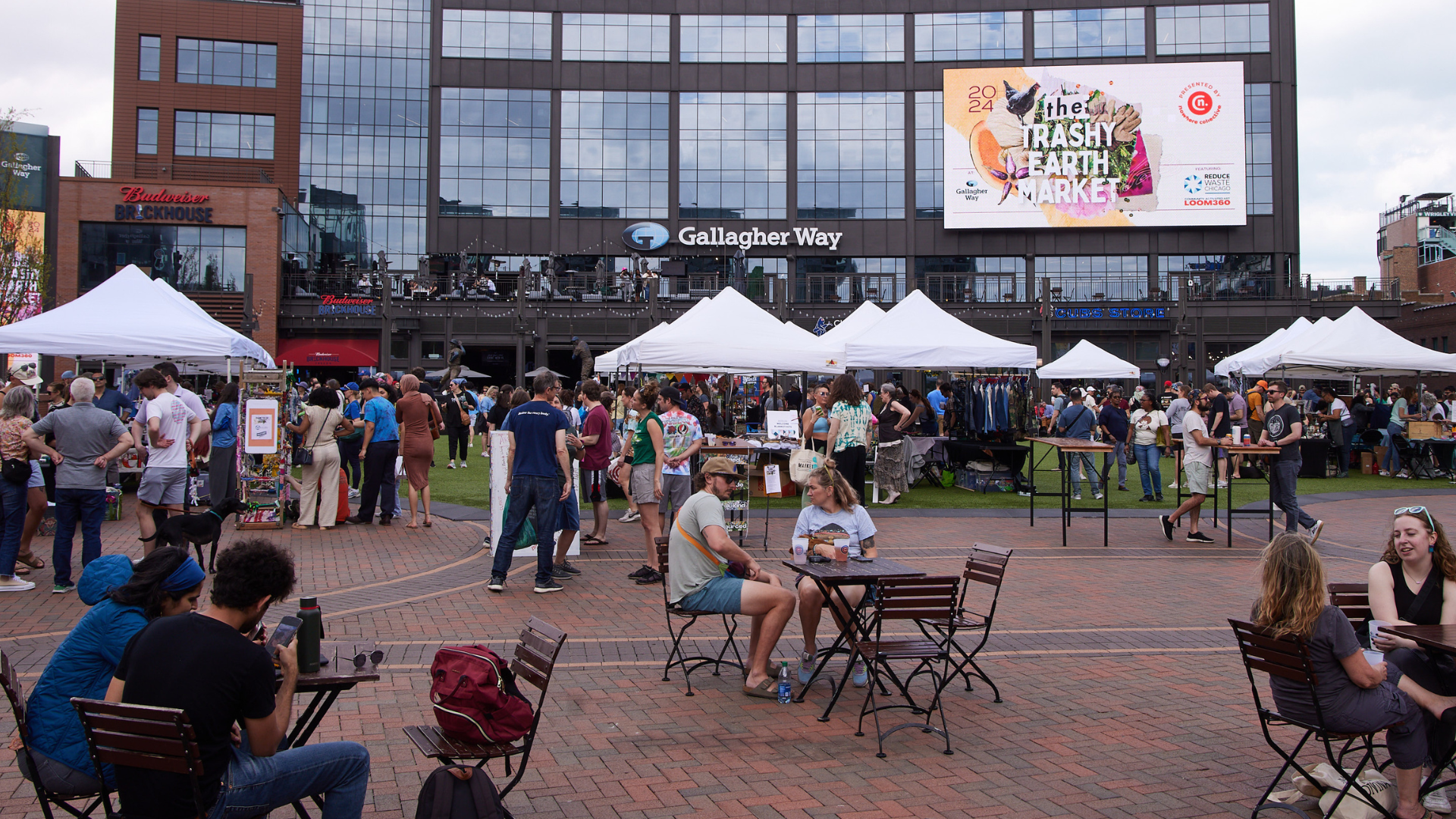
What if reuse was easier than throwing something away?
From reusable takeout containers to refillable beverage systems and upcycled textiles, innovators across the Midwest are redesigning everyday systems to make reuse the default and not the exception.
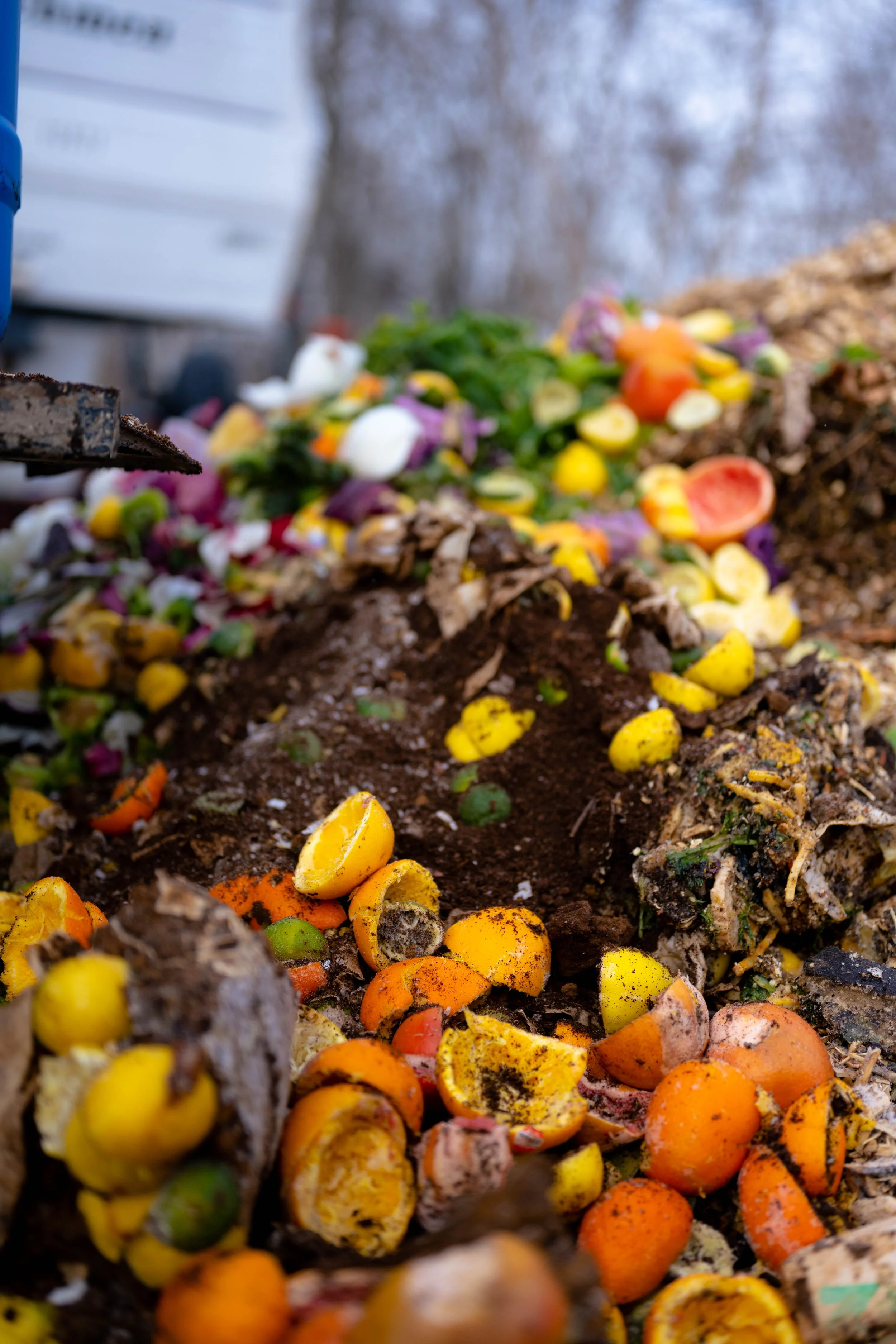
Across Michigan, very different efforts by three NextCycle Michigan teams are chasing the same goal: keep food scraps out of the landfill by building reliable collection paths. Each model brings a different approach to effectively collect food scraps and help ensure Michiganders can do the right thing.
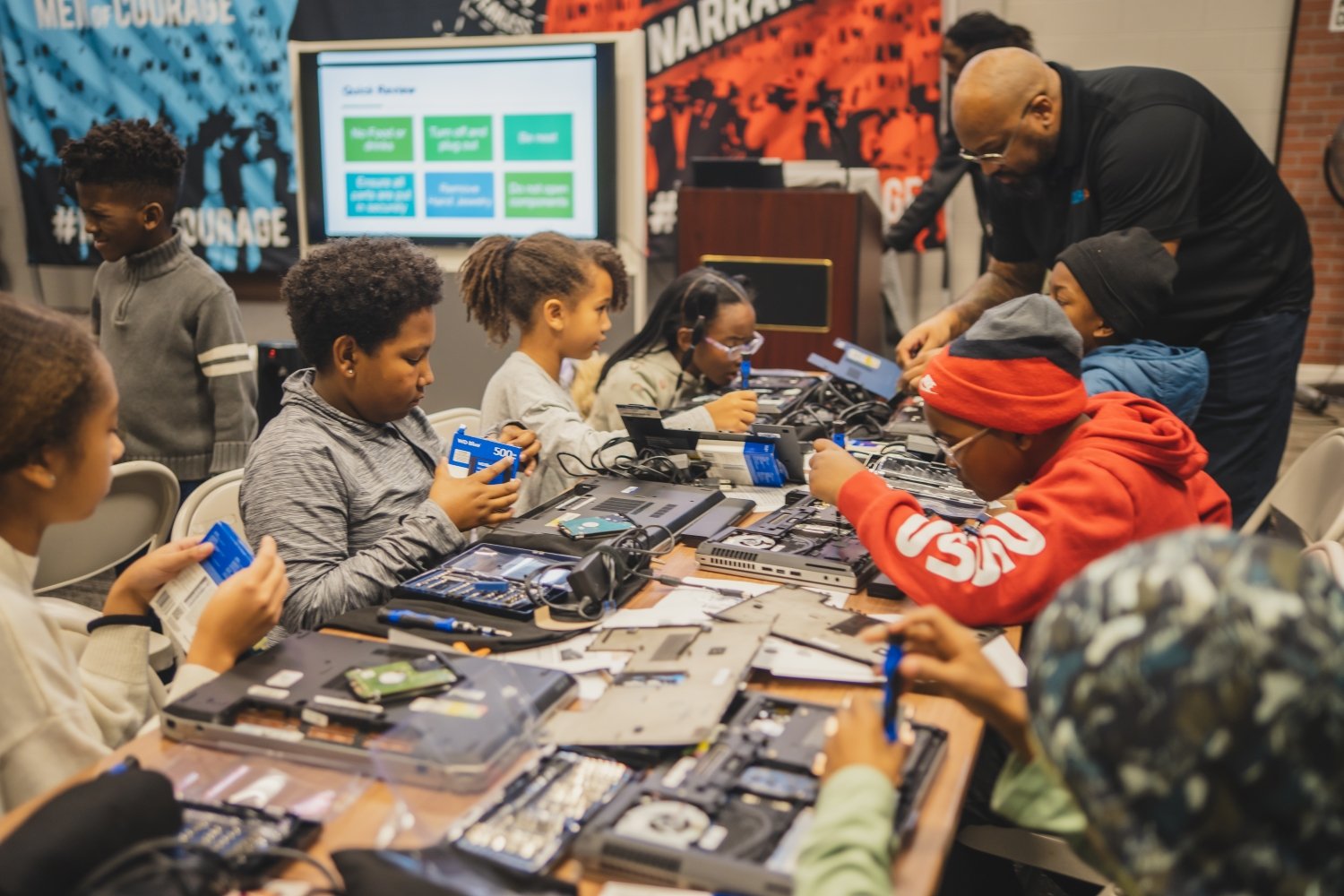
Most Americans use electronics, leading to enormous amounts of e-waste. At the same time, many students do not have access to digital resources. The Hendricks Foundation is bridging that digital divide by collecting e-waste and teaching students to refurbish laptops.
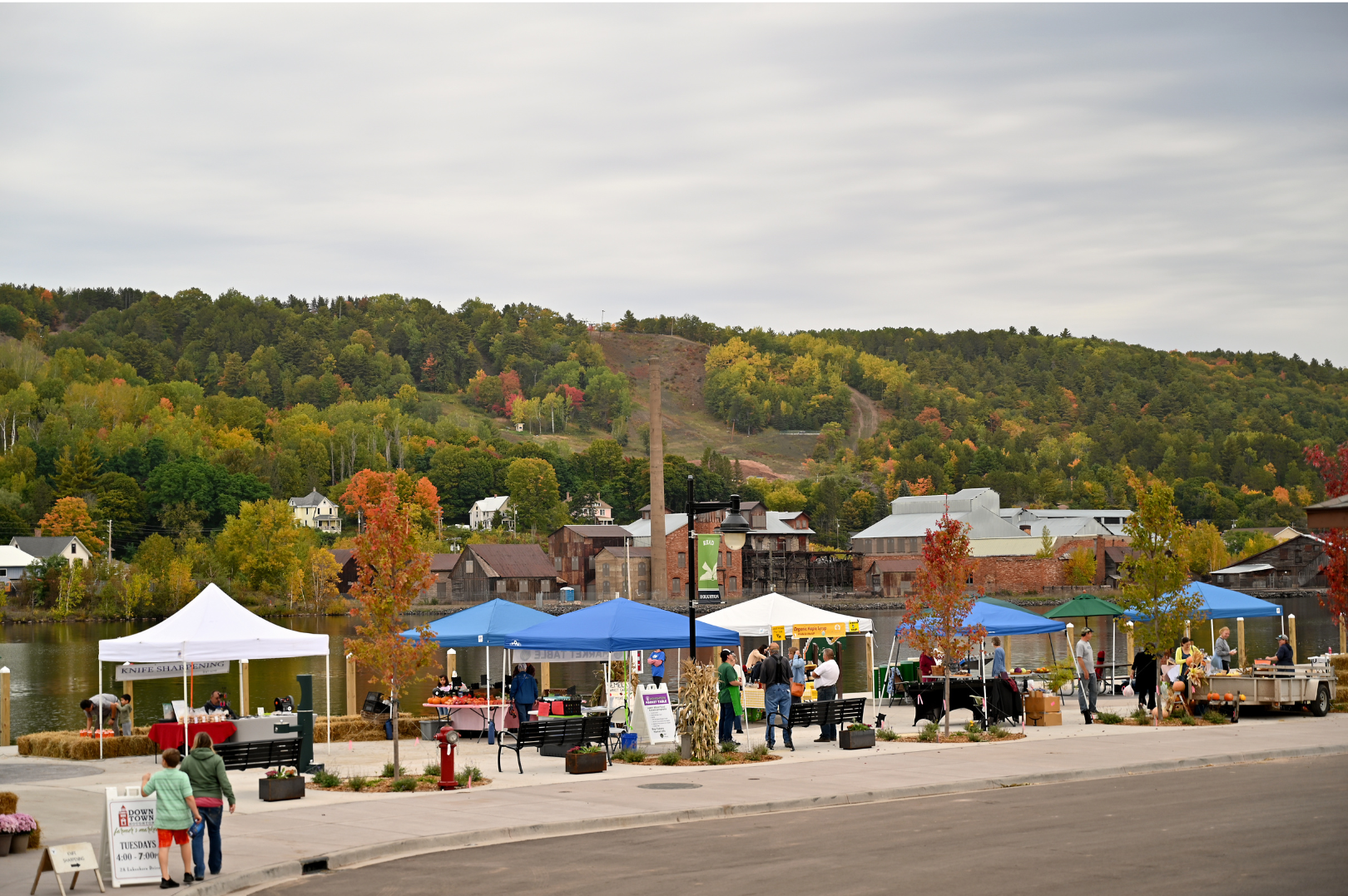
Michigan’s upper peninsula boasts 30% of the state’s landmass, but only 3% of its population. Its rural nature results in a recycling capture rate of only 2%. However, several teams are making an impact on recycling infrastructure, organic material recovery, and innovative recycling technology.

The 5,000 square mile NEMCOG region of Northeast lower Michigan is home to over 132,000 people. Residential access to recycling varies by community. Area counties took action to strengthen recycling across the region.
All Projects
Two NextCycle Michigan teams are recovering edible surplus food before it expires, and the other focuses on preventing leftovers from becoming trash.
Electric vehicle (EV) batteries are lasting longer than manufacturers initially predicted, and the question of what happens next is becoming increasingly urgent. Across Michigan, organizations are building the systems, partnerships, and technology needed to safely test, reuse, and recycle retired EV batteries—extending battery life and recovering valuable materials.
What if reuse was easier than throwing something away?
From reusable takeout containers to refillable beverage systems and upcycled textiles, innovators across the Midwest are redesigning everyday systems to make reuse the default and not the exception.
Across Michigan, very different efforts by three NextCycle Michigan teams are chasing the same goal: keep food scraps out of the landfill by building reliable collection paths. Each model brings a different approach to effectively collect food scraps and help ensure Michiganders can do the right thing.
Most Americans use electronics, leading to enormous amounts of e-waste. At the same time, many students do not have access to digital resources. The Hendricks Foundation is bridging that digital divide by collecting e-waste and teaching students to refurbish laptops.
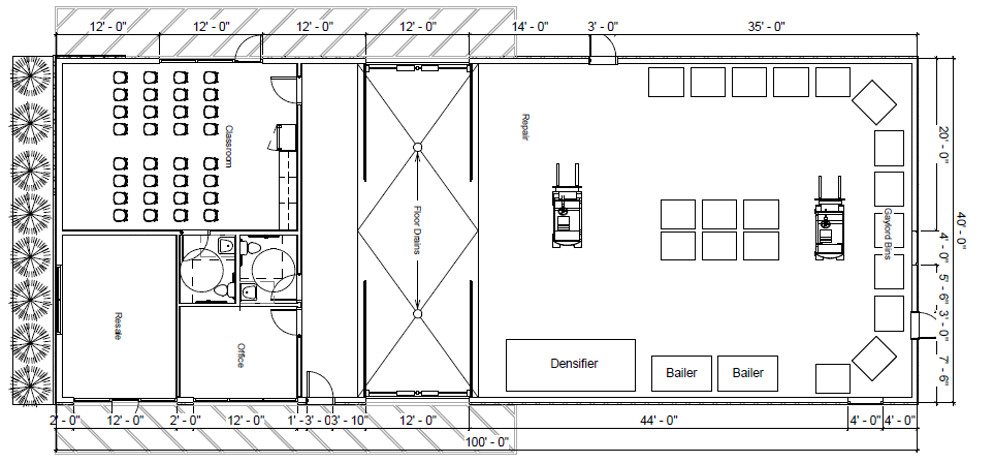
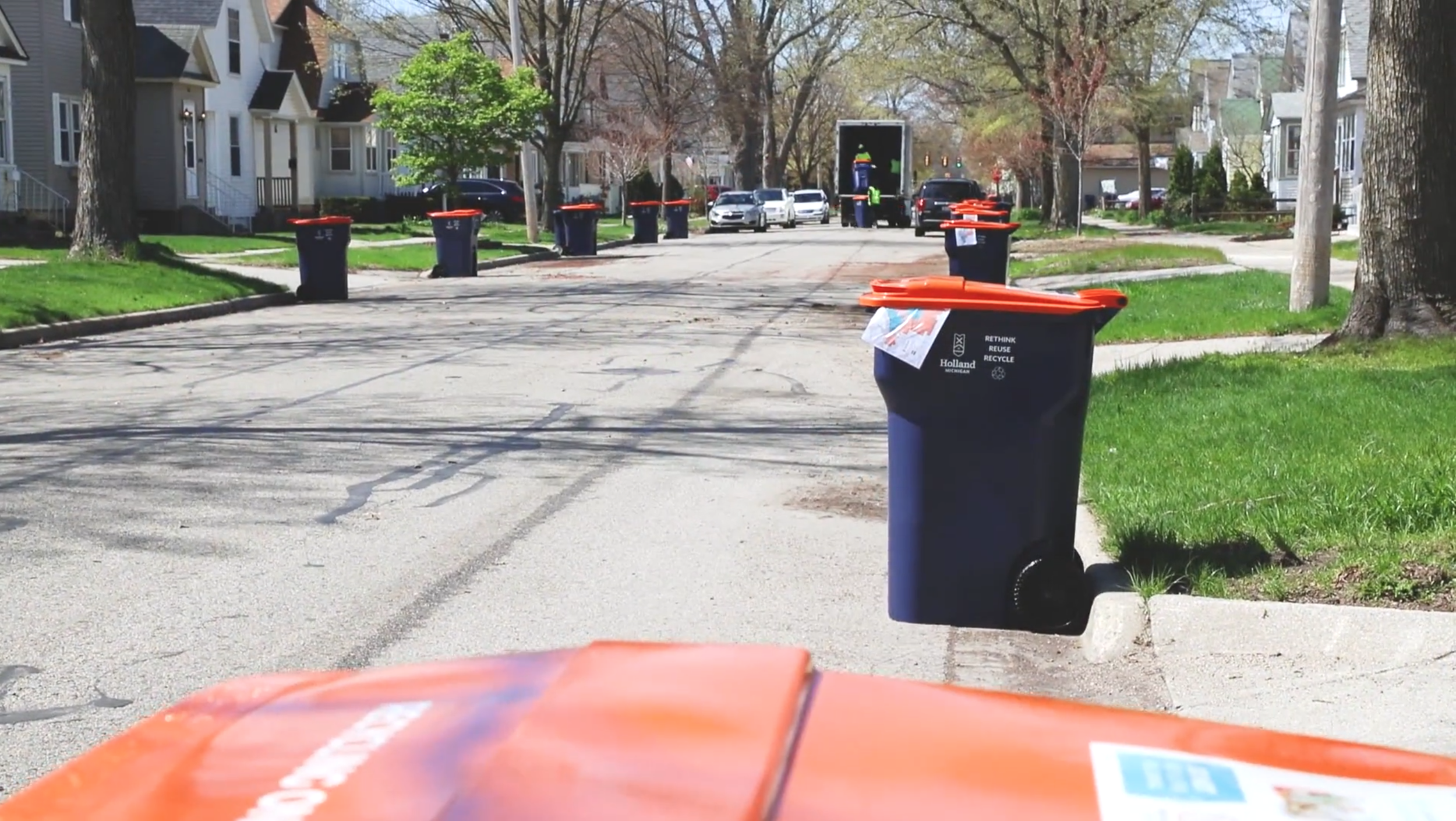
The NextCycle network allowed the Holland team to connect with other communities and organizations and get a stronger understanding of the needs and impact of a drop-off center.
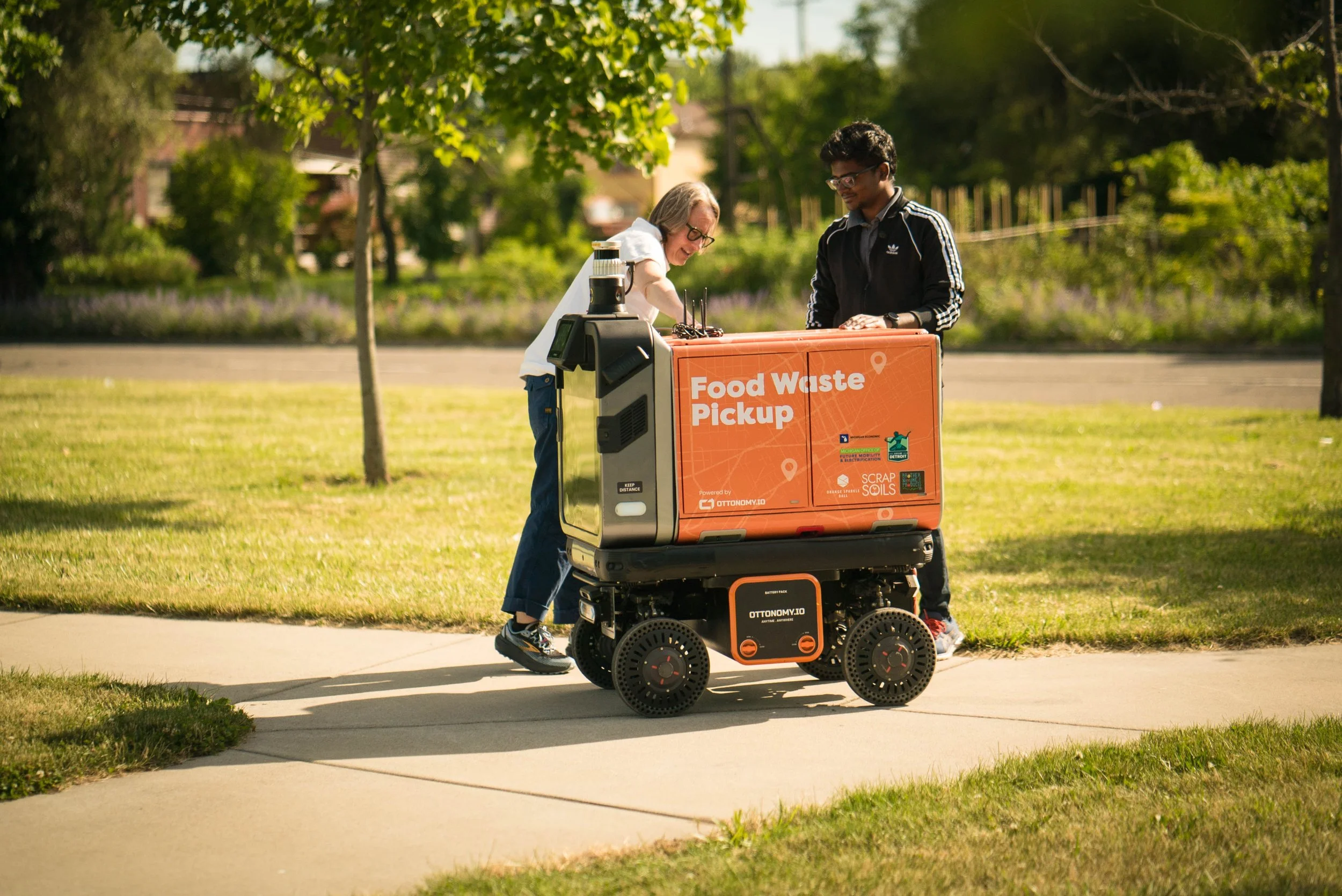
Nearly two dozen teams focused on food waste reduction and organic materials recovery have participated in the NextCycle Michigan program to take their projects to the next level. Read more about their efforts and impacts in Michigan.
Michigan’s upper peninsula boasts 30% of the state’s landmass, but only 3% of its population. Its rural nature results in a recycling capture rate of only 2%. However, several teams are making an impact on recycling infrastructure, organic material recovery, and innovative recycling technology.

When disasters occur, communities often generate as much waste as they ordinarily would in weeks or months. Establishing a Disaster Debris Management Plan was the focus for a NextCycle team of two resource recovery authorities, representing 21 communities in Oakland County, MI.
The 5,000 square mile NEMCOG region of Northeast lower Michigan is home to over 132,000 people. Residential access to recycling varies by community. Area counties took action to strengthen recycling across the region.
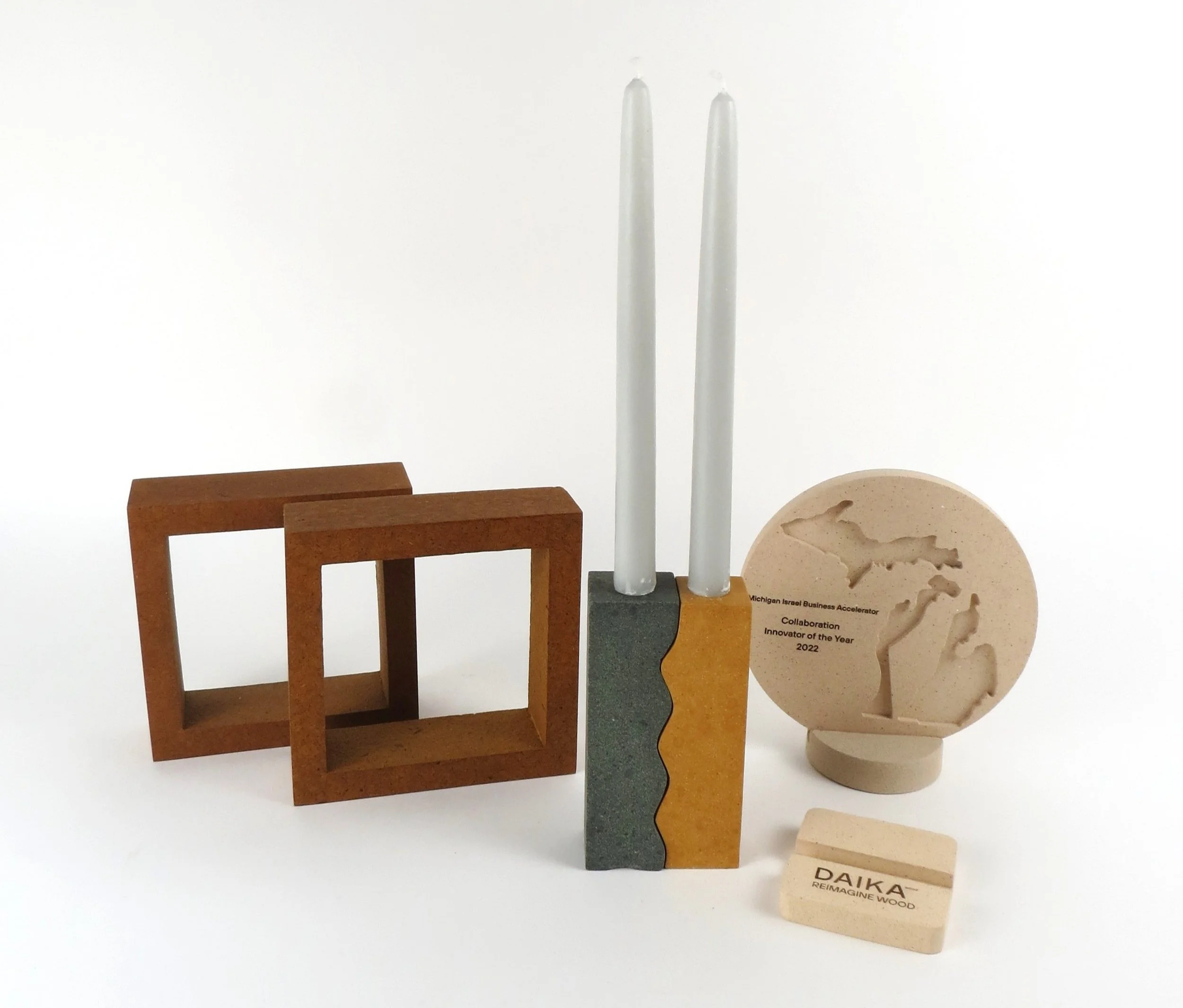
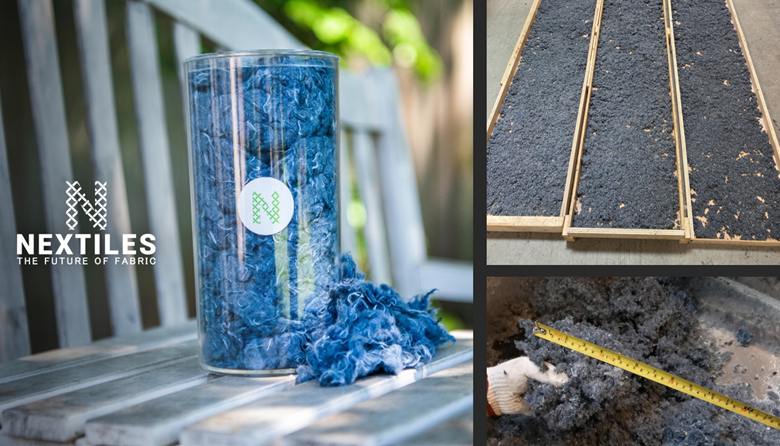
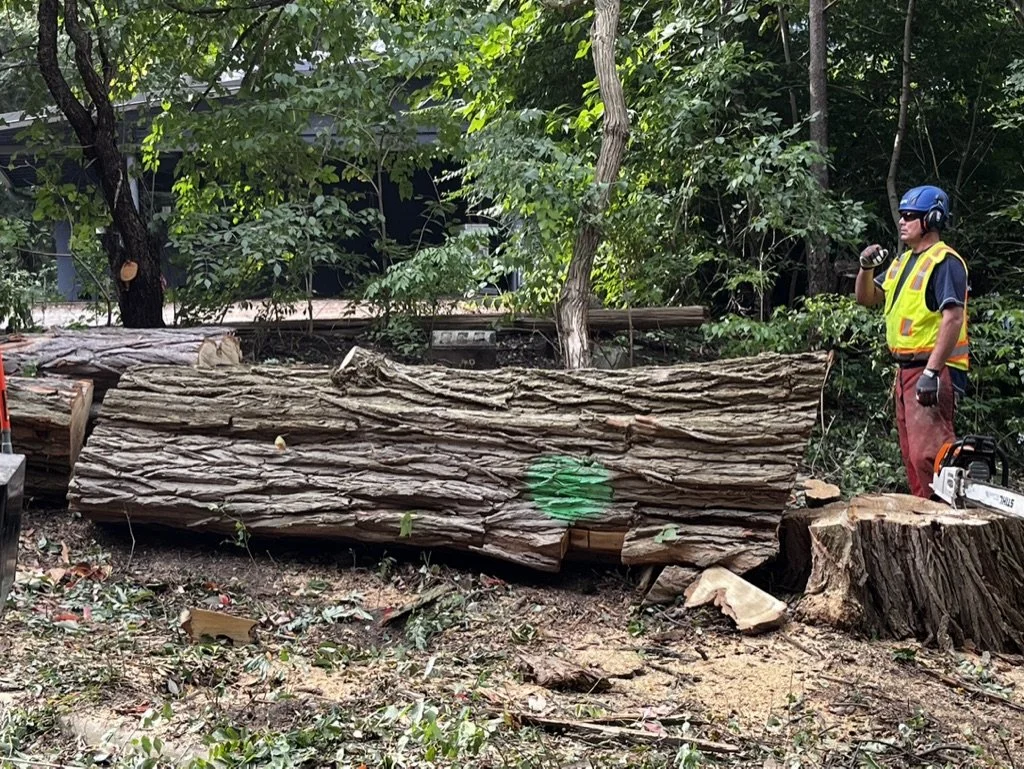
Donation-based resale stores receive some donations that are unsaleable and not accepted in traditional recycling programs. A new collaboration is utilizing a proprietary process to turn wood waste (like broken furniture) into raw material for manufacturing.
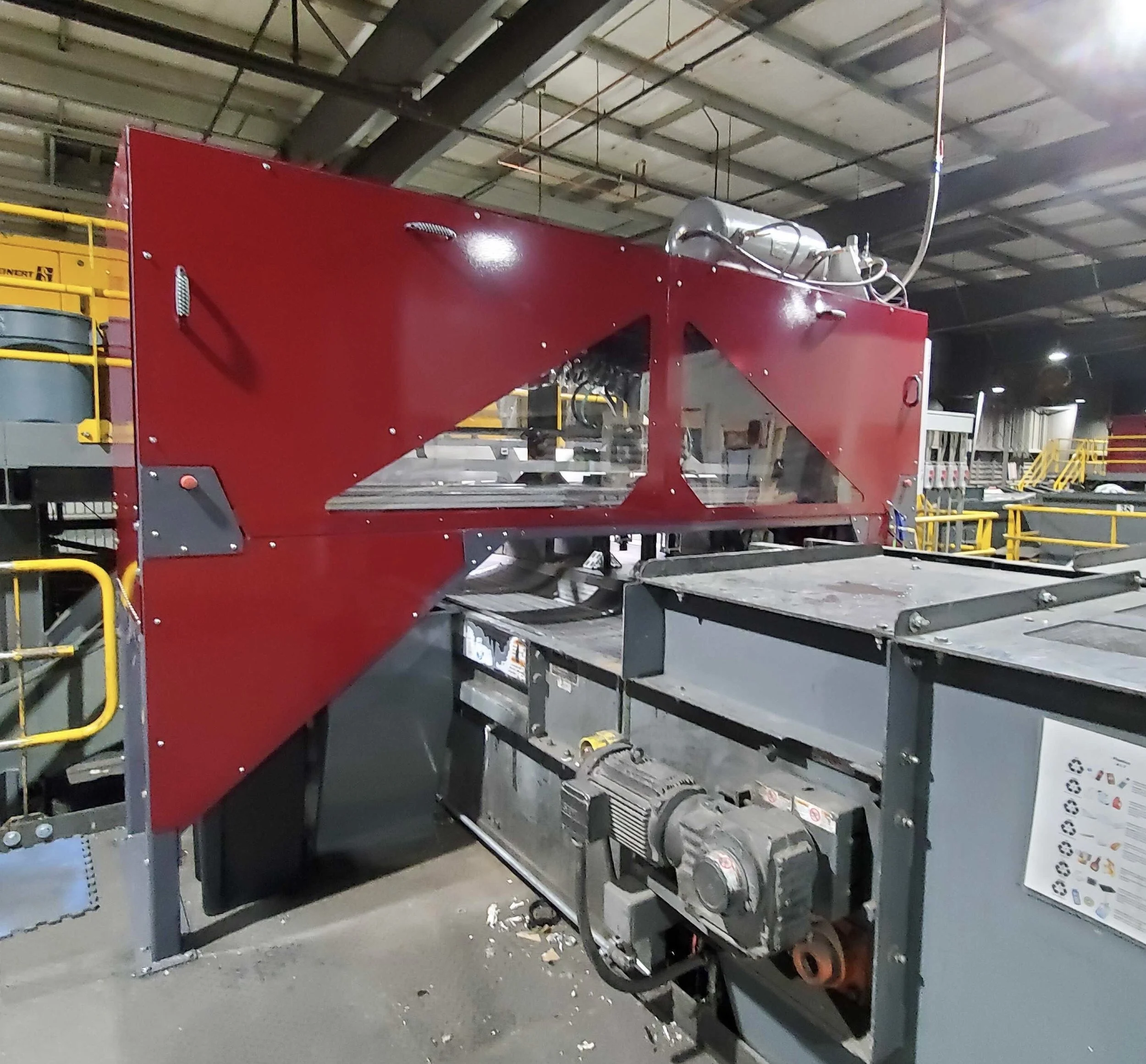
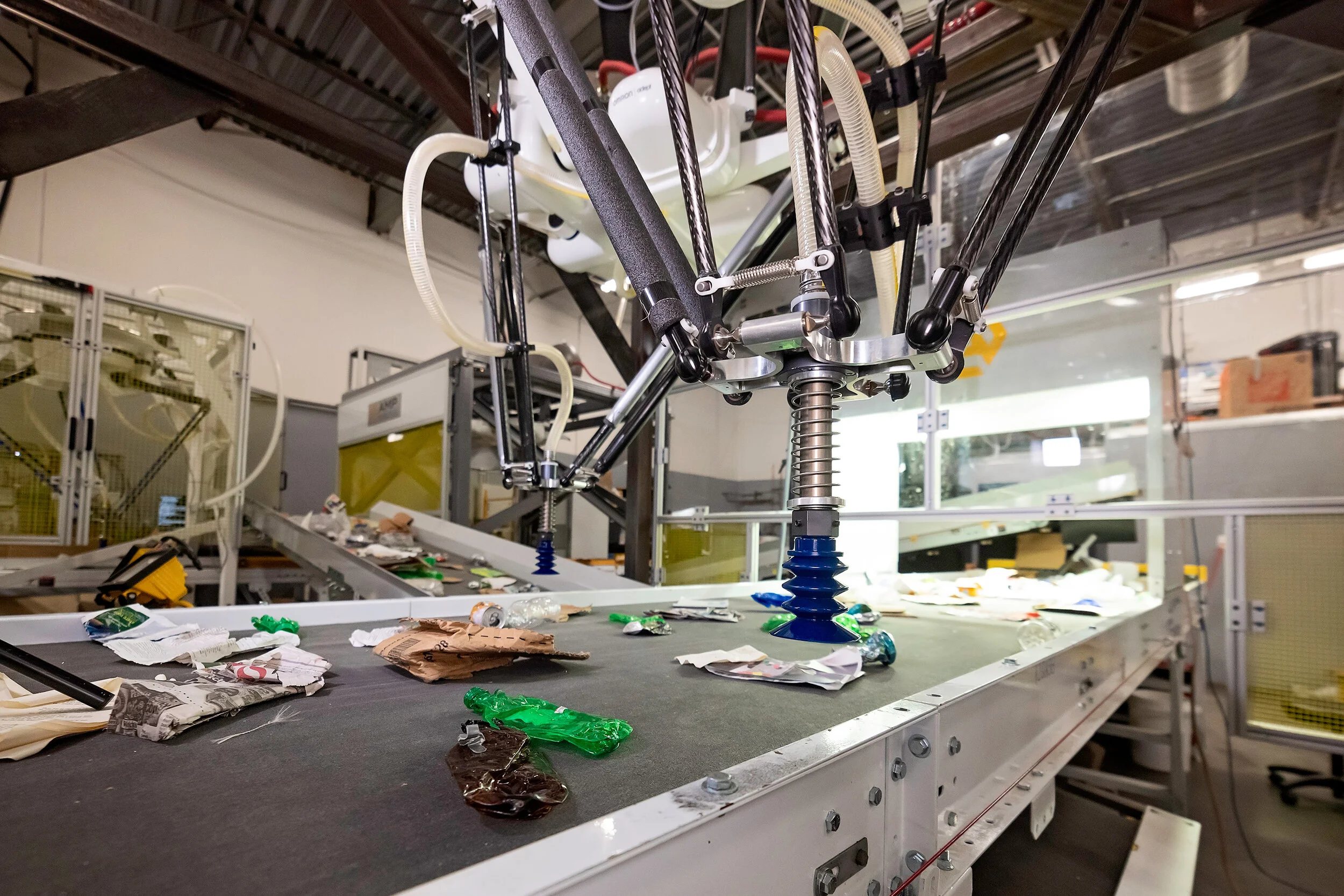
Learn about NextCycle Michigan team, Glacier, and their robots that are custom-designed to sort dozens of commodity types across a sort line of any width.
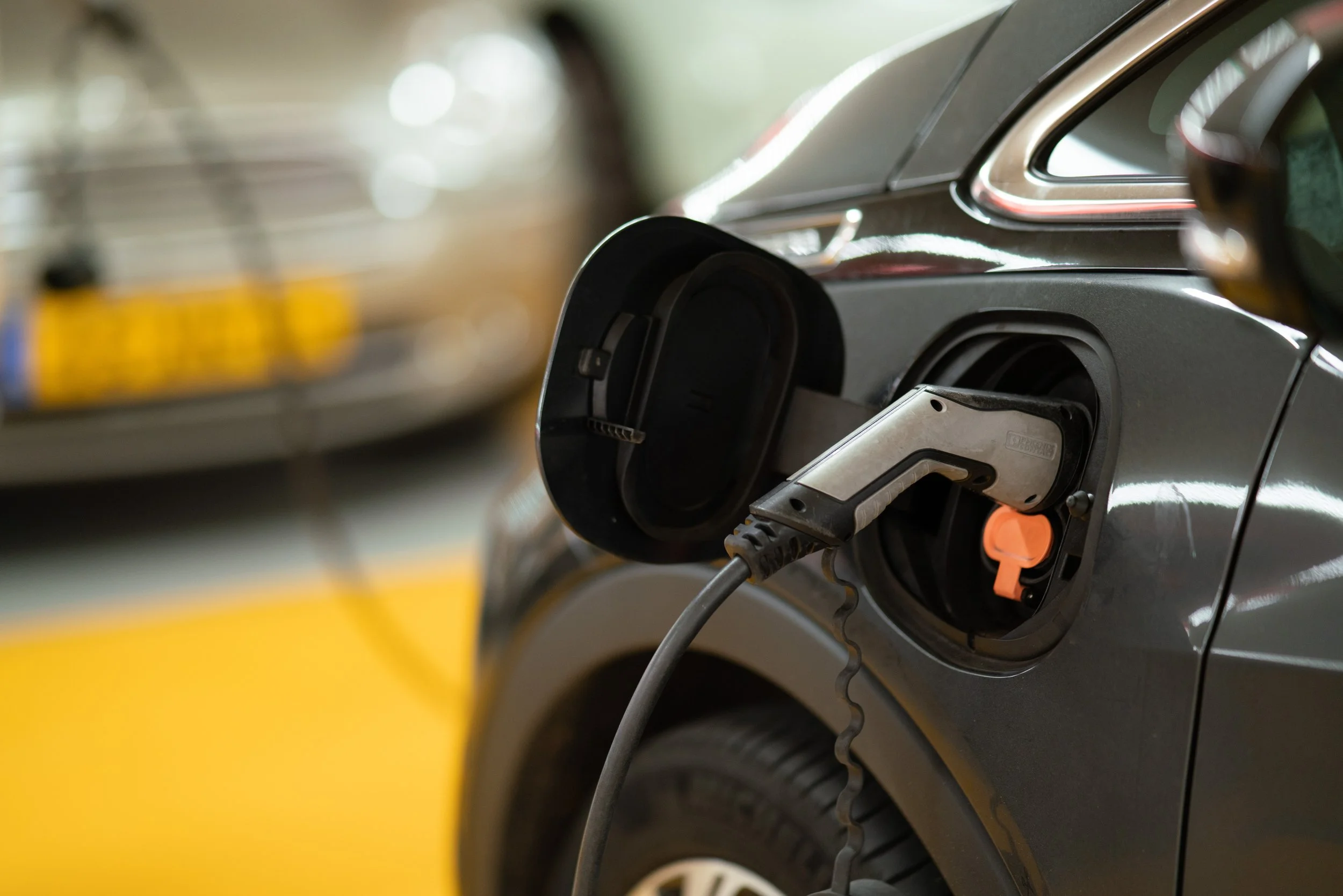
The rise of EVs is a critical part of the opportunity to transition to a cleaner transportation system. NextCycle Michigan teams are striving to ensure that batteries can be recovered to feed back into the supply chain.
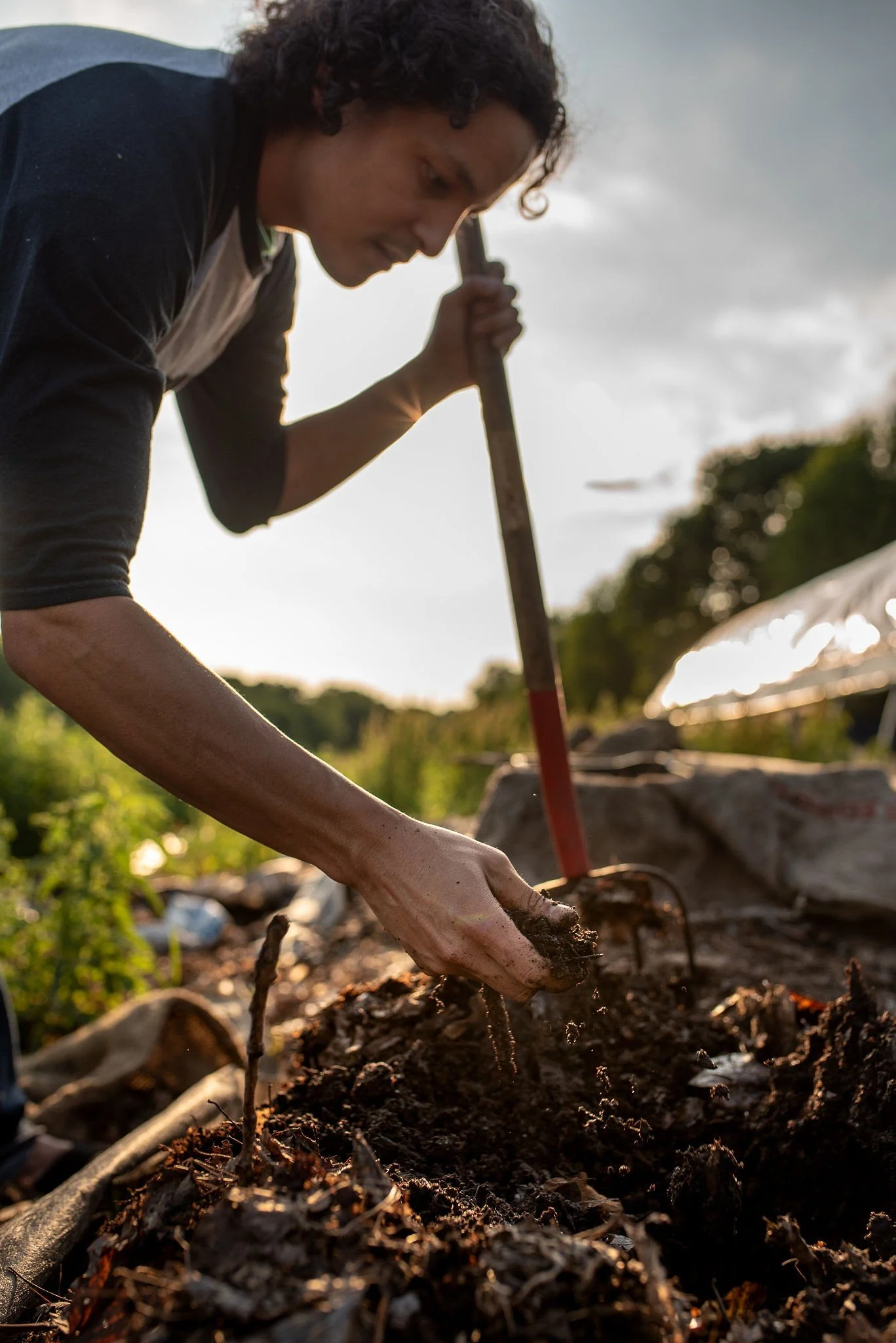
NextCycle coaches helped Wormies to develop a business plan and pitch to scale their operations and meet the growing demand for food scrap collection and composting.